Incubation monitoring
Practical support with temperature, humidity, and turning routines to keep incubation steady and predictable.

From Ikbal Karnekar’s home in Gaulwadi, AAYAN GAAVRAN POULTRY FARM focuses on careful incubation, chick handling, and hatchery routines that match local flock needs.



We focus on incubation, chick handling, hygiene, and record‑keeping – the basics that quietly protect every batch.
Practical support with temperature, humidity, and turning routines to keep incubation steady and predictable.
Support for receiving, sorting, and brooding chicks so they start life in warm, clean, and well‑managed setups.

Step‑by‑step cleaning plans for setters, hatchers, and chick rooms to reduce infection risk batch after batch.

We listen to how people feel about their batches, losses, and daily stress before and after support.
“Hatchery routines became more organised. We saw clearer batches, stronger chicks, and fewer early losses.”
We come from the same landscape as our clients – Tata Road, Karjat, Raigad – and build routines that fit that reality.
AAYAN GAAVRAN POULTRY FARM grew from experience with small and mid‑sized flocks where every chick matters. The aim was simple: bring more consistency and hygiene into hatchery work without building systems that are too complex for daily use.
We focus on the basics – incubation, handling, cleaning, and observation – because those are the points where problems usually start. Our support is designed with the size of each operation, staff, and local conditions in mind.
A small team that moves between incubators, chick rooms, and owner meetings – not just office desks.

Each service includes observation, hands‑on support, and simple notes so owners can keep improving batch after batch.
Guidance on tray loading, temperature and humidity settings, and daily checks to keep incubation stable and efficient.
Support in selecting eggs, spotting defects, and planning batches to improve hatch percentages and chick quality.
Practical brooding layouts, heat and ventilation ideas, and feeding routines that protect chicks in their first days.
Cleaning and movement protocols that are realistic for your staff, designed to reduce infection risk across batches.
Simple record formats and review sessions so you can see trends, understand results, and adjust operations accordingly.

Quiet, practical discussions to help owners decide how much to expand, which batches to focus on, and how to share work with staff.
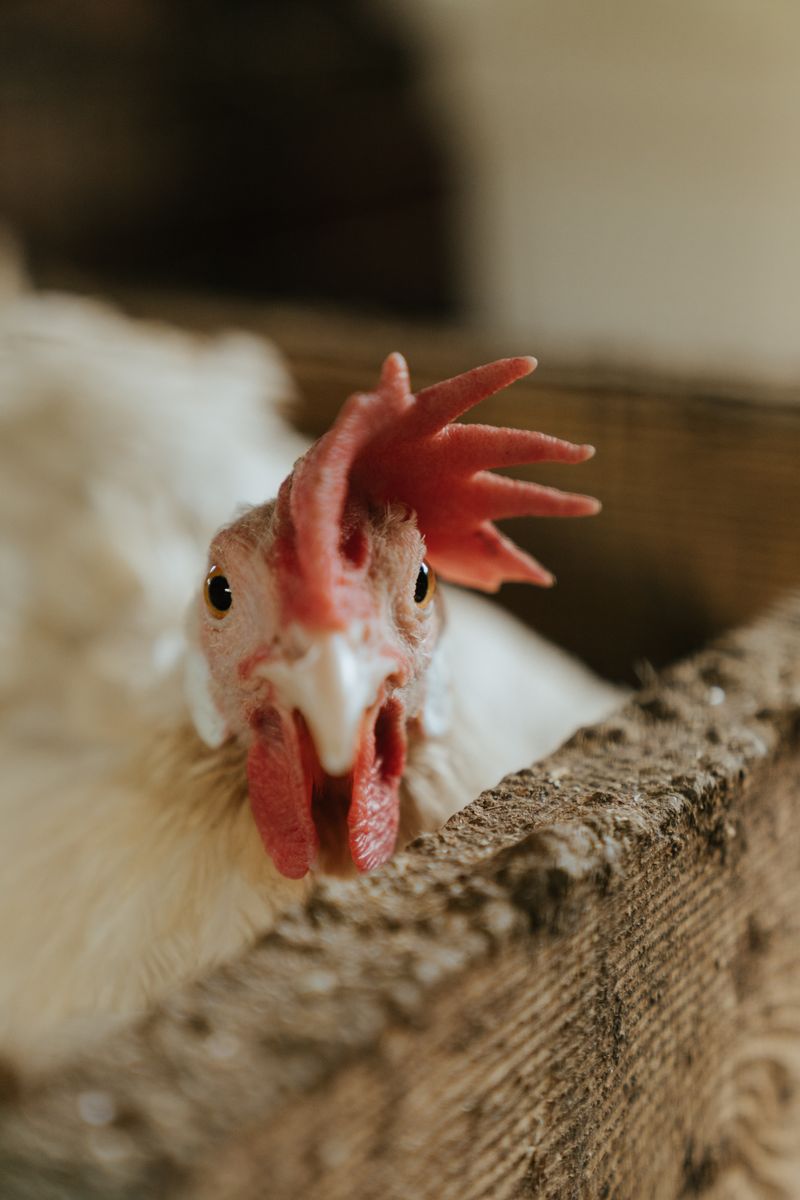
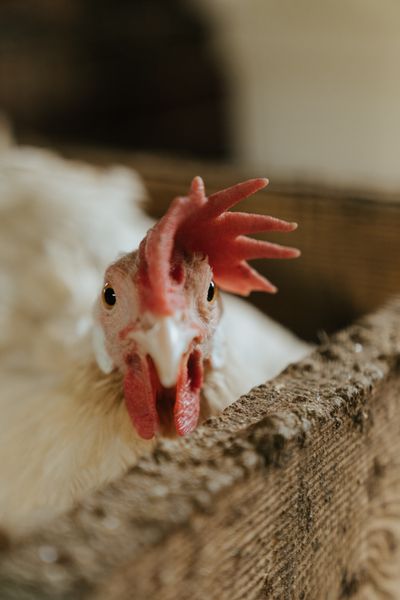
Each image represents real support – improved incubation routines, safer chick handling, and cleaner operations.
Practical pieces written from daily experience – for owners, staff, and anyone curious about hatchery work.
Simple checks and routines that make incubators more forgiving when conditions get tough.
What to watch in movement, sound, and feeding to catch problems before they grow.
How to connect numbers, photos, and notes to see where your operation is quietly improving.
These short notes come from people who asked us to stand beside them through different seasons and cycles.
“They helped us change how we load, check, and clean. Losses dropped and we feel more in control of each batch.”
“Support was direct, respectful, and honest. We always knew what was realistic for our staff and setup.”
“Record suggestions helped us see where we were improving, and where we needed to slow down or change.”
“Their calm guidance on when and how to expand saved us from pushing too fast in the wrong direction.”
A short message describing your operation is enough – we will respond with realistic options for support.